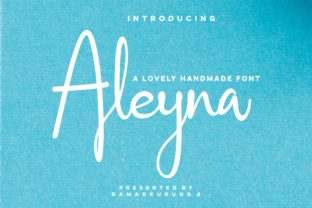
Aleyna: A Handwritten Font for Elegant Editorial Design
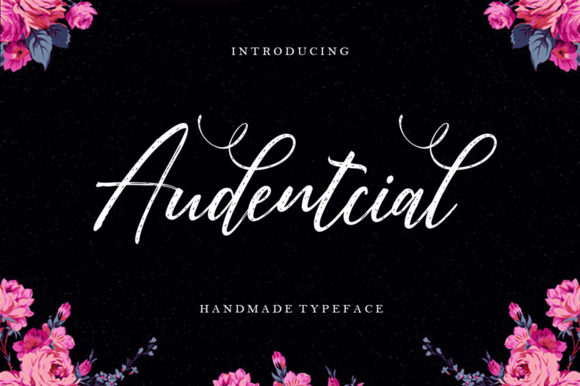
When I was redesigning the header for my lifestyle blog, I knew I needed a font that would capture the essence of warmth and elegance. Aleyna, with its smooth curves and refined handwriting, immediately stood out as the perfect choice. It’s not just another Script Handwritten font—it’s a typeface that feels like a conversation between the reader and the designer.
Aleyna for Wedding Invitations and Elegant Branding
As I began to explore how Aleyna could be used in different editorial contexts, I thought about its suitability for wedding invitations. The font’s delicate yet confident strokes create a sense of sophistication that aligns perfectly with the tone of such an important event. When paired with a clean sans serif body text, Aleyna adds a touch of personality without overwhelming the message.
I tested Aleyna on a sample invitation layout and was immediately impressed by how it balanced readability with visual appeal. Whether it’s for a modern or traditional wedding, Aleyna brings a unique charm that can elevate the overall design. Its versatility makes it ideal for both digital and print formats, ensuring consistency across all platforms.
Aleyna for Magazine Covers and Editorial Layouts
Another use case that caught my attention was applying Aleyna to magazine covers. The font’s elegant curves and flowing lines are well-suited for creating a visually engaging title that draws readers in. I imagined using Aleyna as the main title for a lifestyle or fashion magazine, where its handwritten style could reflect the brand’s creative identity.
For editorial layouts, Aleyna works beautifully as a decorative accent or for pull quotes. Its soft, organic feel complements more structured fonts, making it an excellent choice for adding visual interest without disrupting the flow of the content. I also considered how Aleyna might look in a digital magazine, where it could serve as a key element in headers or section openers.
Aleyna for Recipe Ebooks and Printable Guides
While working on a recipe ebook, I realized that Aleyna could add a personal touch to the design. The font’s gentle curves and playful elegance make it ideal for titles and headings, helping to create a warm and inviting atmosphere. I experimented with using Aleyna for chapter openers and pull quotes, and found that it enhanced the readability of the content while maintaining a cohesive visual theme.
For printable guides, Aleyna’s legibility is a major advantage. It reads smoothly on screen and prints beautifully, which is essential for materials that will be used in both digital and physical formats. I also appreciated how the font adapts well to different sizes, making it suitable for everything from small captions to large headlines.
Aleyna for Newsletter Headers and Content Branding
When designing a newsletter header, I wanted something that would stand out but still remain professional. Aleyna provided the perfect balance—its handwritten style added character, while its clean structure ensured clarity. I used it as the primary font for the header, pairing it with a modern sans serif font for the body text to maintain a clear visual hierarchy.
Content branding is another area where Aleyna shines. Whether it’s for a coaching workbook, a course PDF, or a digital magazine, the font helps establish a consistent brand identity. Its ability to convey both warmth and professionalism makes it an excellent choice for creators who want to build a strong visual presence across their publications.
Aleyna for Digital Magazines and Web Design
Incorporating Aleyna into a digital magazine layout required careful consideration of readability and aesthetics. I tested the font at various sizes and found that it performed exceptionally well on screens, especially when used for titles and subheadings. Its flowing script style adds a dynamic quality to the layout, making it more engaging for readers.
For web design, Aleyna’s versatility allows it to work well in both desktop and mobile environments. I made sure to check the included styles, ligatures, and weights to ensure that the font would support a wide range of design needs. Its multilingual support also makes it a great option for international publications or content creators targeting diverse audiences.
Aleyna for Print Materials and Long-Form Content
When considering print materials, I was particularly drawn to Aleyna’s ability to maintain its elegance even when scaled down. It works well for cover pages, book titles, and decorative elements, ensuring that the design remains visually appealing in both small and large formats.
For long-form content, such as articles or guides, Aleyna’s readability is a key factor. While it may not be the best choice for extensive body text, it excels in headings, pull quotes, and section dividers. Pairing it with a readable serif or sans serif font ensures that the content remains accessible and easy to follow.
Aleyna for Font Pairing and Design Assets
One of the most exciting aspects of using Aleyna is its compatibility with other fonts. I experimented with pairing it with a clean sans serif font for body text, creating a striking contrast that enhances the overall design. This approach is particularly effective for editorial layouts, where a mix of display and readable fonts can guide the reader’s eye through the content.
As a premium font, Aleyna offers a range of design assets that make it ideal for creators looking to build a cohesive brand identity. From logo design to packaging design, the font’s versatility ensures that it can be adapted to suit a variety of projects. Whether you’re designing a course PDF or a printable planner, Aleyna provides the flexibility and style needed to make your content stand out.